DIRECTORY
Watch on Imagine5 site or Youtube
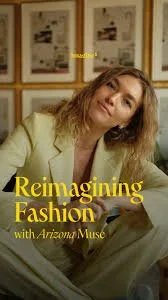
In the first of our new Reimagining Fashion video series, Arizona Muse shares her journey from model to activist, inviting us all to rethink our relationship with fashion. And guess what? Conscious choices are not only stylish, they’re fun, she reveals.
How many of us have a closet full of clothes and nothing to wear? Many of us buy fast fashion as a way to keep up with trends, without thinking about the impact we are having on the planet or the people. Gabriella Smith (@gabriellasmith) has made it her life’s work to raise awareness of the effects of fashion in our world, by utilizing creative ways to engage brands and consumers to rethink the way they design and shop.
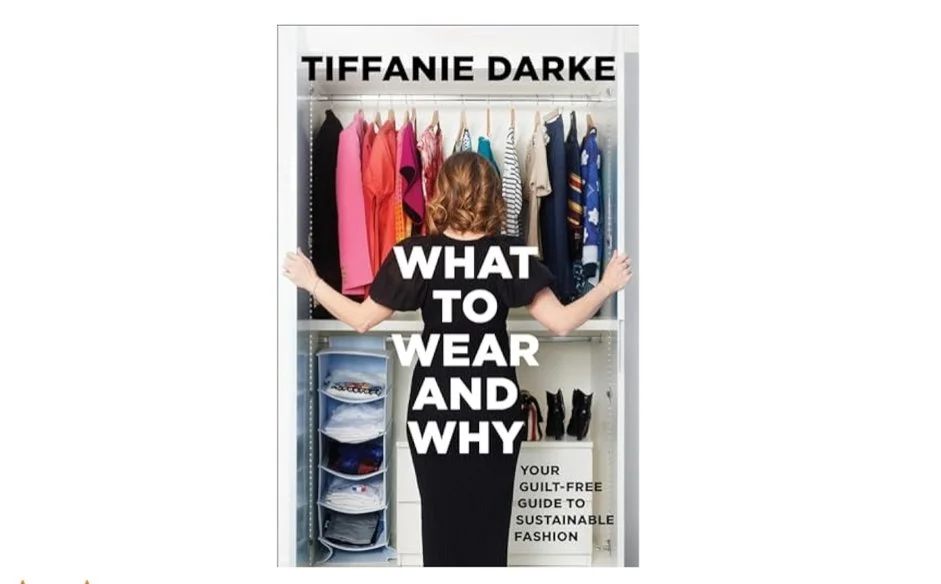
Drawing on her extensive fashion experience and expertise, Darke offers practical guidance on how we as consumers can make a difference in the industry's environmental impact. What to Wear and Why also celebrates those who are already doing so, from environmental activists to sustainable fashion pioneers, giving us examples of how fashion sustainability can work in the real world.
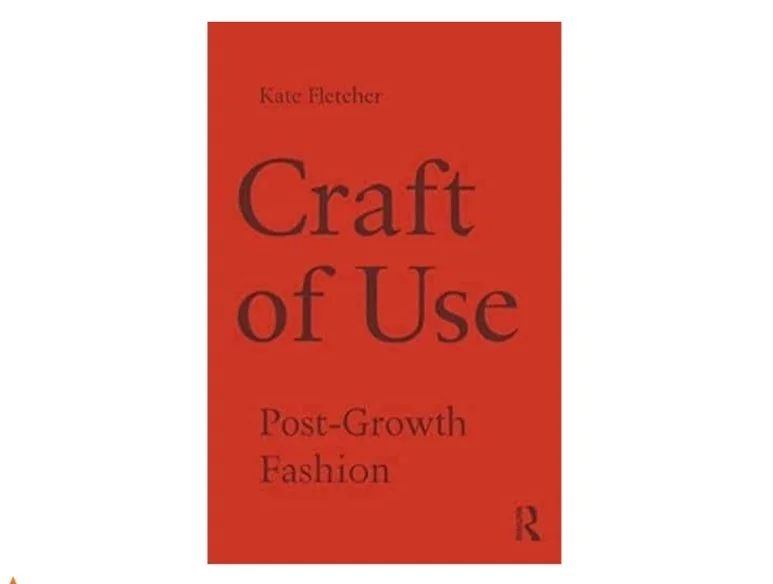
This book explores the craft of use, the cultivated, ordinary and ingenious ideas and practices that promote satisfying and resourceful use of garments, presenting them as an alternative, dynamic, experiential frame with which to articulate and foster sustainability in the fashion sector.
Journalist Lauren Bravo loves clothes more than anything, but she's called time on her affair with fast fashion in search of a slower, saner way of dressing. In this book, she'll help you do the same.Journalist Lauren Bravo loves clothes more than anything, but she's called time on her affair with fast fashion in search of a slower, saner way of dressing. In this book, she'll help you do the same.
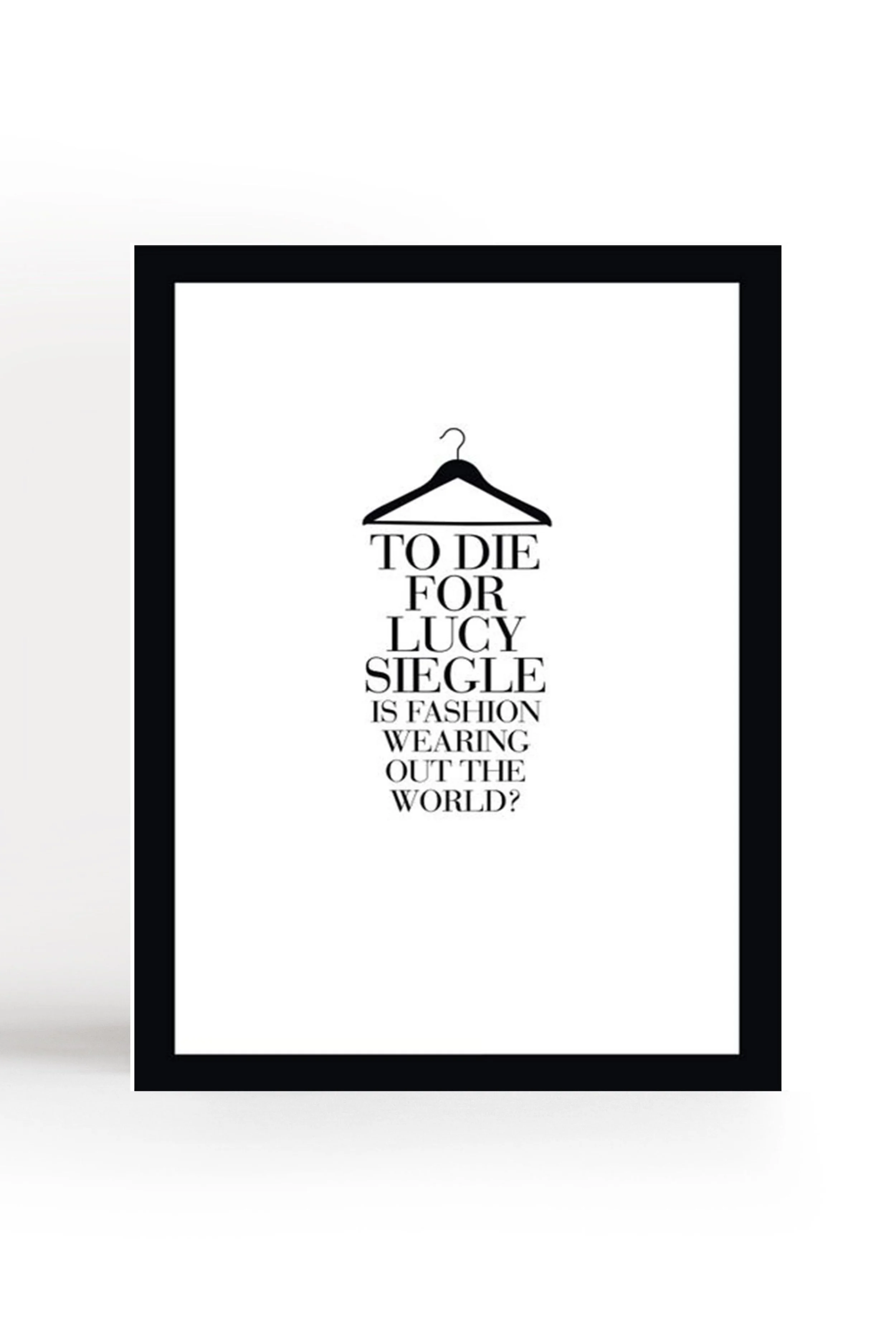
In this impassioned book, Siegle analyses the global epidemic of unsustainable fashion, taking stock of our economic health and moral accountabilities to expose the pitfalls of fast fashion. Refocusing the debate squarely back on the importance of basic consumer rights, Siegle reveals the truth behind cut price, bulk fashion and the importance of your purchasing decisions, advocating the case for a new sustainable design era where we are assured of value for ethically, morally and in real terms.
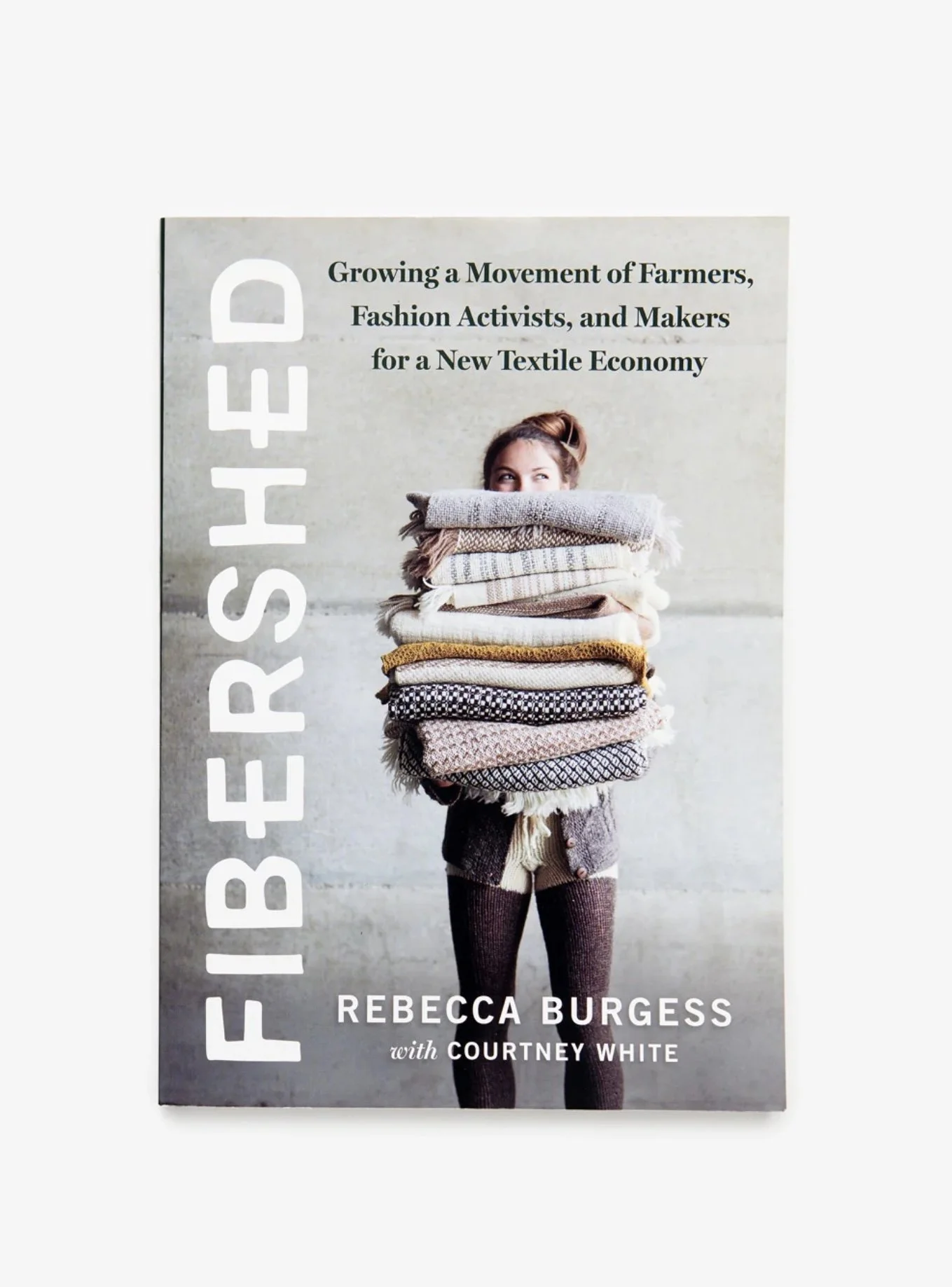
Fibershed by Rebecca Burgess explores a revolutionary approach to fashion by advocating for regional and regenerative textile systems. Inspired by her year-long challenge to wear only locally sourced clothing, Burgess presents a vision for a more sustainable industry rooted in soil-to-soil practices. The book highlights the environmental and social benefits of bioregional fiber production, showcasing farmers, artisans, and innovators working to create a circular, climate-positive fashion system.
Ordinary Delusions is a roadmap for how we can flourish in a world where quality of life, prosperity, mental health and hope for a better future are all under threat. It is an attempt to find answers to some of the biggest paradoxes of modern life:
→ Modern life feels empty and overwhelming at the same time
→ We know shopping is bad…but we still like it
→ Work sucks but we all want to be someone
→ The future looks so dark but what are we really doing about it
“In early 2022, I realised I didn’t have a great relationship with clothes.
Deciding what to wear occupied my thoughts continuously, and many of my feelings about getting dressed were negative. This realisation led to a research project exploring our relationship with clothes, trying to understand how clothes make us feel”
Career advice for sustainable fashion change makers
All about empowering people to work in the fast-paced and ever evolving world of sustainable fashion. It’s about enabling more of you to arrive here and indeed, own it, as well as then thrive within it.
This is a place to explore luxury, fashion and sustainability: not the happiest of friends historically. It is information and power to change what inspires you, the way you dress, shop and spend your time. Discover the good and bad of what brands are up to, what is going on behind the scenes (it’s exciting), and how you can enjoy fashion and beauty guilt free. Because currently: it’s not sustainable.
Do you know where your clothes come from? The apparel industry is one of the biggest violators of both the environment and human rights. In this compelling and information-packed talk, co-founder of Zady Maxine Bédat shows how you can take back the power of your wardrobe, and feel better in (and better about) your clothes.
Listen as model, sustainable fashion advocate and climate activist Arizona Muse talks us through how the vast garment industry that makes all our clothes, shoes and bags could have a positive impact on our planet and people
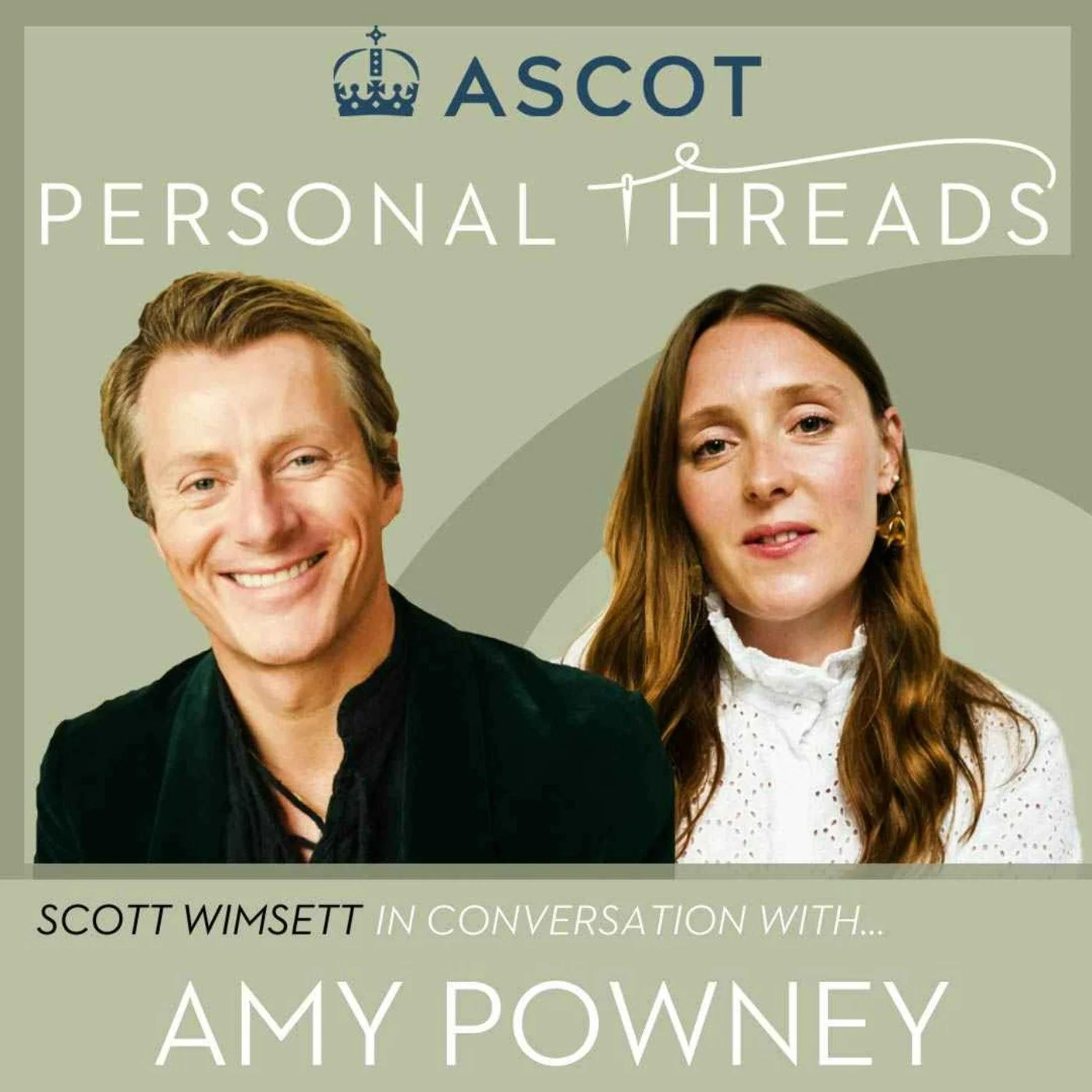
From the field to your closet, your clothes go on a long journey before they enter your life. Designer Amy Powney explores the fashion industry's brutal impact on the environment and human health, modeling what ethical, planet-friendly clothing can look like — and inviting us all to think beyond the label.
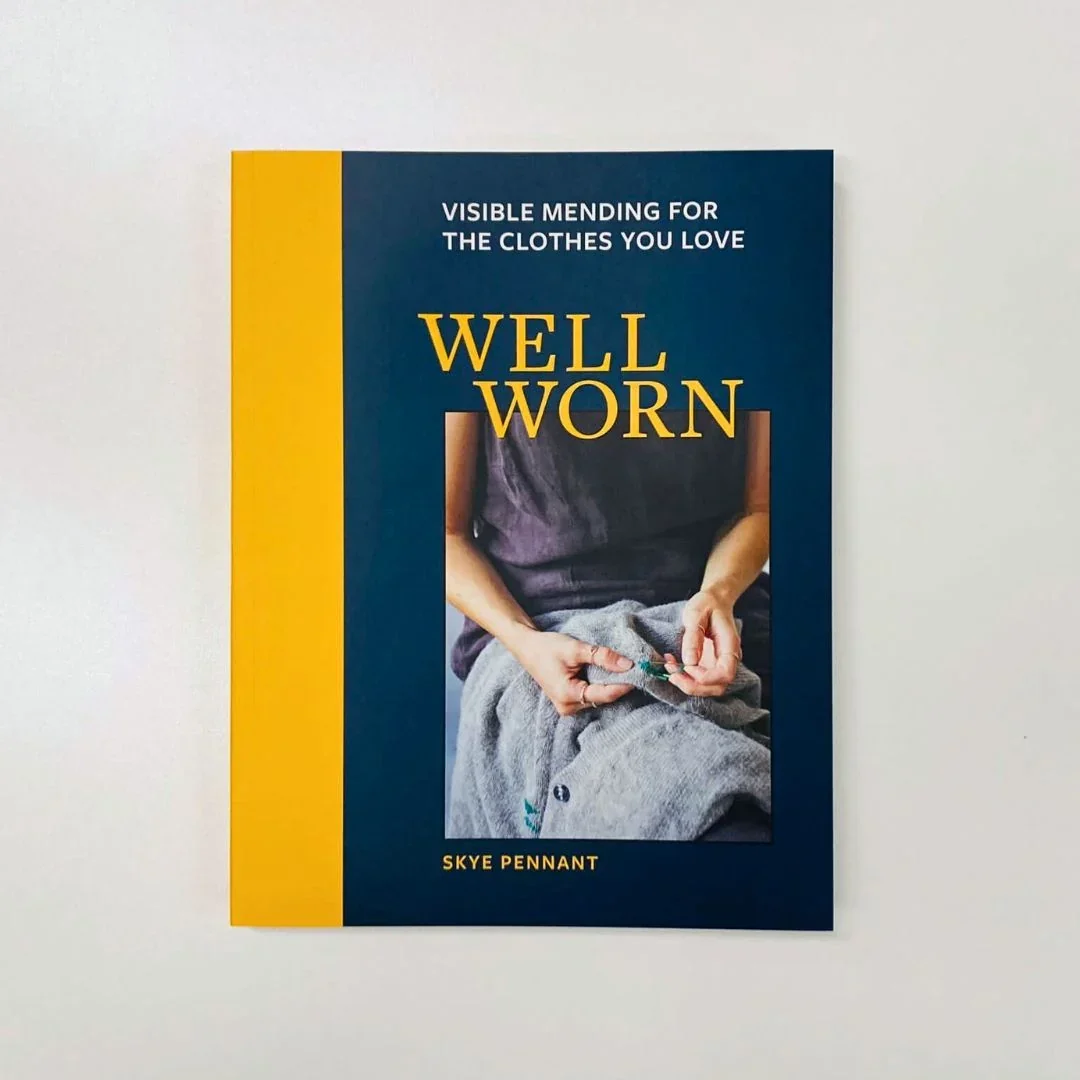
Your favorite pair of jeans -- the ones you refuse to throw out -- are actually a part of a global climate solution, says fashion entrepreneur Josephine Philips. When you value your existing clothes instead of chasing the latest trends, you help reduce waste and protect our planet for generations to come. Learn more about the impacts of what you wear -- and the incredible power of repairing your clothes.
5-part doco series - available on Youtube
A sweeping, global documentary series that follows Livia Firth as she embarks on a journey to uncover sustainable fashion solutions. From textile workers in developing nations to innovative brands redefining ethical production, Fashion-scapes takes viewers deep into the heart of the supply chain, proving that fashion can be beautiful without exploiting people or the planet. This series provides an optimistic yet realistic look at how the fashion industry can transform for the better.
The Circular Economy Show Podcast explores the many dimensions of what a circular economy means, and meets the people making it happen. Each week our hosts are joined by experts from across industry, governments and academia to learn more about how the circular economy is being developed and scaled.
Clean Cut TV presents Fash-Forward, hosted by the brilliant Jade McSorley, co-founder of circular fashion platform LOANHOOD who is also studying a PhD in Fashion Innovation and Sustainability at University for the Creative Arts. We explore tech innovation and how it's contributing to sustainable and ethical practices within the fashion industry. Ep 4 is an excellent listen about textile waste innovation.
Hosted by Victoria Smith
Conversations with founders and innovators working in different sectors of the fashion industry, offering an opportunity to get involved in this growing space. Hear directly from the people building the future of fashion about entrepreneurship, job opportunities, fashion tech, circularity, biomaterials, and more.
Melanie talks to Rachel Arthur, one of the most influential women in fashion you may never have heard of. Why? Rachel created the United Nations Sustainable Fashion Playbook, a guide for influencers and fashion communicators to inspire us all to buy less crap, and love and appreciate clothes more.
Fashion Our Future is a podcast by Kering and hosted by Andrea Cheong that explores the solutions needed to make the fashion and luxury industry more sustainable and circular. Over the course of two seasons, creative, passionate, and committed industry insiders will discuss and demystify the sustainable practices and groundbreaking solutions that are influencing and changing the luxury fashion industry.
Hosted by Veronica Milsom.
In this ep you'll meet a seaweed farmer, a former fashion designer and a CEO with a passion for battery recycling, as we ask: How possible is it for the materials in our products to be designed for a closed-loop system so they don't end up in landfill?
We are tackling our unanswered circular economy questions. We (Cynthia + Laura, both experienced sustainability and circularity professionals) have identified topics we would like more clarity on, and by addressing these questions head on and bringing in experts, we hope to begin to shape the answers.